
Douban word of mouth
The film reached a 9.0 Douban opening score that later rose to 9.3 from about 845,000 users.
Lan Hongchun's third Chaoshan-language feature turns a 14 million yuan production into a Douban 9.3 breakout with a 2 billion yuan box-office snapshot. Through Qiaopi letters, Southeast Asian Chinese migration, and nonprofessional performances, Dear You turns women's loyalty and family memory into a love letter across oceans.
This guide reorganizes film context, film details, and viewer questions into a readable interpretation: why one Qiaopi letter can carry two timelines, why nonprofessional performers strengthen the film's truthfulness, and how regional memory became a wider conversation.
The film reached a 9.0 Douban opening score that later rose to 9.3 from about 845,000 users.
With a reported 14 million yuan budget, the film became a striking 2026 case of audience-driven box-office momentum.
Public box-office snapshot as of 2026-07-23 12:15:12.
After I Am Sure I Can and Take Me to See My Mom, Lan Hongchun's third Chaoshan-language feature expands local family feeling into Qiaopi letters, kinship, and migration memory.
The small production scale makes the film's national discussion and strong box-office lift especially notable.
Qiaopi culture, the historical movement to Southeast Asia, and everyday performers define the film's cultural signature.
The film does not rush to explain every twist. It lets Qiaopi letters, South Seas migration history, and the loyalty between two women carry the emotional weight.
View moreQiaopi combined family letters with remittance records sent home by overseas Chinese and were inscribed on UNESCO's Memory of the World Register in 2013.
The present-day Thailand search carries comedy and suspense, while the historical timeline brings in South Seas migration, Chinese-language education overseas, and family wounds.
The story keeps major reversals softened, using phrases like Qiaopi truth and decades of silent guardianship instead of spelling everything out.
To repay family debts, Xiaowei travels to Thailand looking for a long-lost grandfather rumored to be wealthy, only to find a family mystery underneath the comic setup.
The 1940s storyline follows Musheng as history pushes him toward Southeast Asia, turning one man's displacement into a memory shared by many Chaoshan families.
Qiaopi were letters and remittance records sent home by overseas Chinese. In the film, one sheet of paper carries kinship, trust, separation, and longing for home.
The breakout looks like an audience vote: low early screenings, high ratings, family recommendations, and Qiaopi memory pushed a small-budget film to No. 2 on the annual chart.
View moreThe film opened with only 1.6% of screenings, then kept climbing through audience recommendations and platform discussion.
Public box-office snapshot as of 2026-07-23 12:15:12.
Seventeen days after release, more than 10 million viewers had seen the film, turning word of mouth into real theatrical attendance.
The film reached Maoyan Pro around 1.868 billion yuan and Beacon Pro around 1.853 billion yuan.
The Douban score opened at 9.0 and film discussion later recorded 9.3, strengthening the film’s high-reputation identity.
Short-video topics and social posts around family letters, grandparents, and diaspora memory continue to amplify the film.
The 9.0 opening score, 9.3 rating, real-life inspiration, and emotional aftertaste drive much of the discussion.
Why it matters: Ratings, origins, and the ending's lingering force are the densest audience topics.
Reports from The Paper, Xin Kuai Bao, 1905, and others document the film's path from creation to word-of-mouth growth.
Why it matters: These reports help viewers return to the film's creative and cultural context.
Live box-office snapshots and publicly reported milestones trace how a small-budget Chaoshan film climbed from limited screenings to a national breakout.
2026-07-23 12:15:12
上映85天
Public box-office snapshot as of 2026-07-23 12:15:12.
Same-day box-office snapshot as of 2026-07-23 12:15:12.
Public reports recorded Beacon Pro at about 1.853 billion yuan and Maoyan Pro at about 1.868 billion yuan.
Unit: 100M yuan
The film entered cinemas from a low-screening, regional-word-of-mouth starting point.
The film reached the score continuing to rise from its 9.0 opening to 9.3 by mid-June.
Family viewing and organic recommendations combined, and the film began leading daily box office.
On its fifteenth release day, nationwide box office passed 200 million yuan after four straight days at No. 1 on the daily chart.
Total box office reached 348 million yuan, admissions passed 10 million, and later forecasts continued to move upward.
After eighteen release days, cumulative box office reached 505 million yuan and set a recent May Day romance-film record.
Real-time tracking recorded the film crossing 600 million yuan while it continued holding the daily box-office lead.
Beacon Pro placed total box office at 1.113 billion yuan including presales, entering the 2026 annual top four.
The official film account announced an extended release through June 30, giving word of mouth more time in cinemas.
The film reached total box office passing 1.448 billion yuan, placing the film No. 2 on the 2026 annual chart.
Total box office reached 1.623 billion yuan, passing Jiang Ziya and Lost in Hong Kong.
At about 1.74 billion yuan, the film passed Flying Life and entered China all-time top 50.
The film opened in Hong Kong, Macao, Singapore, Malaysia, and Brunei.
Public reporting recorded a Douban score of 9.3 and box office above 1.8 billion yuan.
As of 12:15:12, the hourly snapshot showed 2 billion yuan total, 0.29 million yuan for the day, ranking No. 10 live.
Start with the newest essays on family memory, box-office momentum, Qiaopi culture, overseas screenings, and the questions viewers keep returning to.
The location question behind Dear You is direct: if the story reaches Nanyang and Thailand, why was almost all of it shot in Chaoshan? The answer lies in screen geography. The film uses real places in Shantou, Chaozhou, and Jieyang to create a Nanyang memory space, while later tourism recreations add a separate layer that should not be treated as original filming evidence.
Li Sitong’s first film role was Xie Nanzhi in Dear You. She was chosen after a riverbank farewell audition, then prepared by reading the script closely, studying the era, and using the 120,000-word Siam Life Guide to imagine the period. The qiaopi remittance-office scene was her first scene after joining the production, and she read Nanzhi and Musheng as comrades who support each other rather than lovers.
Why can Zheng Musheng hold on to one love for more than ten years? Wang Yantong’s own explanation gives a direct answer: he did not understand that devotion at first, until he encountered the line “love is often feeling indebted.” That turns Musheng’s waiting into a question of debt, memory, and responsibility, not just a romantic pose.
China Overseas Chinese History Museum holds more than 60,000 items and sets. The Dear You special exhibition in Beijing sits inside that larger collection, not the other way around.
How did Usha Seamkhum play older Xie Nanzhi across languages? The answer is not that she proved fluency in Mandarin or Chaoshan dialect. In a May 22 first-person text by Usha, organized by People’s Daily reporter Miao Chun, she said she had not studied acting and did not speak Mandarin or Chaoshan dialect. She also said language barriers often appeared on set. Her solution combined interpreter support with physical choices: hugs, and simple actions such as taking, giving and placing.
For a specific qiaopi, the amount is not a simple number to convert into today’s money. Start with the currency label on the paper, then separate exchange service fees, postage, conversion, bureau services, and industry rewards. That approach makes the remittance detail in 《給阿嬤的情書》 easier to read without turning one historical example into a universal rule.
Tear-point edits, short-video recommendations, and industry commentary show how the film's emotional aftertaste keeps spreading.
View moreThese restrained cut scenes became key points of discussion because they reveal how much emotion the film chooses to leave unsaid.
View moreXie Nanzhi returns to Chaoshan carrying Musheng's spirit tablet and sees Shurou from across a stream during wedding preparations. She chooses not to disturb Shurou's peace and leaves in silence.
Shurou's letter urging her husband to remarry and Nanzhi's final letter before memory loss form the missing emotional thread many viewers keep asking about.
The exchange about the Chaozhou opera heroine Yujiaolong frames Nanzhi and Shurou as women who retain agency and dignity under historical pressure.
The cast story is part of the film's appeal: a finance student, a local Chaoshan creator, and an unemployed young man become part of the movie's lived-in texture.
View moreLan found her after seeing her in short-form video during a long search. Her lack of formal acting polish became part of Nanzhi's vivid naturalness.
Known for a more outward style in daily life, she delivers restrained emotional force under Lan's direction, including an improvised line that became a central tear point.
His plain, street-level sincerity made him feel close to an ordinary young Chaoshan migrant pushed abroad by history.
Beyond the nonprofessional performer story, direction, writing, cinematography, editing, and music form the film's creative backbone.
Hongchun Lan
Hongchun Lan / Leng Yang / Xuanxuan Zheng / Liyun Zhu
Tao Hai
Hongchun Lan / Dong Peng
Yihan Li / Zehua Wu / Leng Yang
Damai Entertainment
The location map connects Shantou, Chaozhou, and Jieyang, pairing film scenes with old-town memory and travel routes for viewers tracing the story on the ground.
View more
Film scene: A historic arcade district that evokes the point of departure and return in South Seas migration memory.
Travel note: A visual shorthand for Shantou's treaty-port history and hybrid urban architecture.
Related topics: Shantou Small Park / Dear You filming location / Chaoshan arcades
Film scene: Used to recreate the texture of a 1950s Thai Chinese street scene.
Travel note: Dense Chaoshan clan architecture and old-town lanes make it a slow-walk location for architectural detail.
Related topics: Longhu Ancient Village / Chaoshan ancient village / South Seas atmosphere
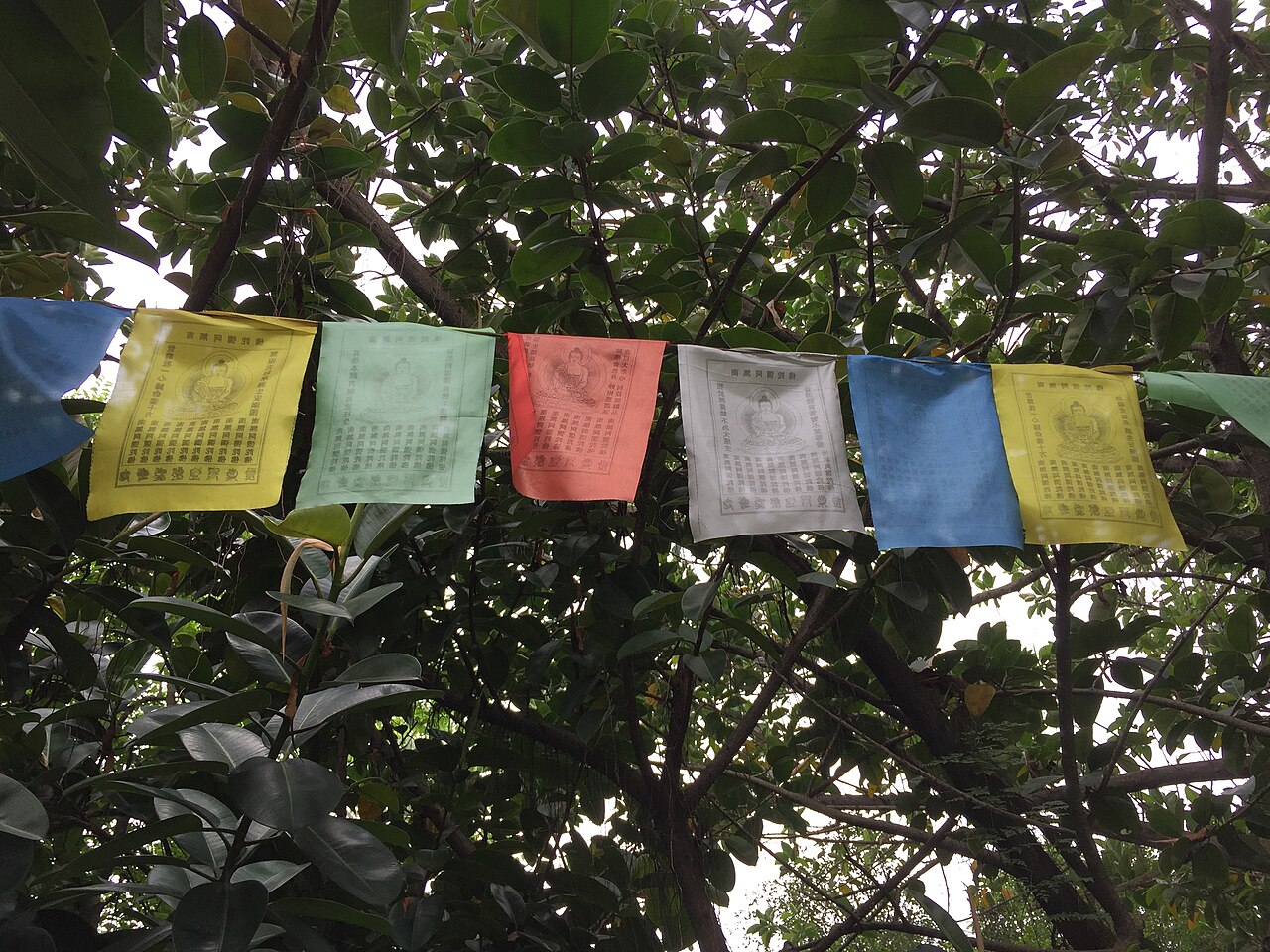
Film scene: A visual bridge between Bangkok memory and the Chaoshan homeland.
Travel note: A rare Thai-style Buddhist hall in the region, naturally carrying the film's Southeast Asia and homeland connection.
Related topics: Thai Buddhist Hall Chaozhou / Kaiyuan Temple Thai Hall / Thai-style Buddhist architecture
Film scene: A street-level setting that carries old-town daily life and Musheng's memory through the frame.
Travel note: A Lingnan townscape that can be paired with food, craft, and old-street walks.
Related topics: Mianhu Jieyang / Mianhu Jiefang Road / Chaoshan old street
Film scene: A century-old bridge that becomes a quiet symbol of hometown longing.
Travel note: A visit point for film fans and a natural stop on a slower Chaoshan memory route.
Related topics: Xiqi Stone Bridge / Denggang Jieyang / Dear You location
Locations are more than check-in points. Each culture card connects a film scene, a real place, and keywords that bring screen memory back into Chaoshan streets.
View moreQiaopi were both family letters and remittance records, carrying trust, longing, and economic support from overseas Chinese to home villages.
Read Qiaopi referencesBehind Musheng and Nanzhi is the broader Chaoshan experience of leaving for Southeast Asia to survive. The film places that history inside one family's letters.
Read South Seas contextDialect makes the characters speak from inside family life rather than through generic lines. For overseas Chinese readers, language itself becomes a route home.
View language referencesThe reported opera-within-the-film frames Nanzhi and Shurou through a heroine's agency, explaining the sharper edge beneath the film's restraint.
Read cut-scene reportArcades, stone bridges, and old streets hold the spatial memory of leaving and returning. Fans can connect Small Park, Mianhu, and Xiqi Stone Bridge into a slow route.
View locationsThe Thai Buddhist Hall in Chaozhou brings Thailand's visual memory back into Chaoshan, carrying the film's movement between Bangkok, overseas Chinese life, and home.
View placeLanguage
It looks like Chinese may fit your region or browser language. You can also keep reading the English page.
Short-video updates that connect the characters back to the cast
Li Sitong tonton
Young Xie Nanzhi
Open DouyinWang Xiaohui
Young Ye Shurou
Open DouyinWang Yantong
Zheng Musheng
Open DouyinDear You official account
Official film account
Open Douyin